


- MORE
- Herpes
- Hyperthyroidism
- Hypothyroidism
- Indigestion
- Infertility
- Impotence
- Injuries
- Insomnia
- Itching
- Kidney Stones
- Kidney Disease
- Low Energy
- Low Sex Drive
- Lung Disease
- Lyme's Disease
- Lymph Nodes/Glands
- Manic Depression
- Menopause
- Menstrual Problems
- Migraines
- Mitral Valve Prolapse
- Multiple Sclerosis
- Nausea
- Nursing
- Osteoporosis
- Parasites
- Parkinson's Disease
- PMS
- Polycystic Kidneys
- Polycystic Ovaries
- Poor Circulation
- Pregnancy
- Prostate Problems
- Sarcoidosis
- Sinus Problems
- Skin Conditions
- Stress Management
- Tinnitus
- Toothache/Abscess
- Ulcers
- Water Retention
- Weight Loss
- SEE ENTIRE LIST
- Acid reflux/ GERD
- ADD
- Allergies
- ALS
- Alzheimers
- Anemia
- Anxiety
- Arrhythmia
- Arthritis
- Asthma
- Atrial Fibrillation
- Bladder/Urinary
- Blood Pressure
- Bodybuilding
- Bone, broken
- Bronchitis
- Candida
- Cataracts
- Cholesterol
- CFS/CFIDS
- Cirrhosis
- Coffee substitute
- Colds & Flu
- Colitis
- Constipation
- Constipation/Child
- Colon Polyps
- Crohns
- Depression
- Diabetes Type I
- Diabetes Type II
- Diverticulosis
- Epilepsy
- Eye (Bags)
- Eye Disease
- Fever
- Fibroids (Uterus)
- Fibromyalgia
- Floaters (Eye)
- Gallstones
- Gout
- Hair Loss
- Heart Disease
- Hepatitis
- MORE

- Step One Beginners
- Step Two Cleanse
- Step Three Advanced
- 28-Day Total Body
- Candida-Herbal
- Cholesterol Cleanse
- Colon Cleanse 1
- Colon Cleanse 2
- Colon Cleanse 3
- Essential Oils
- Fertility
- Hormonal Balance
- Juice Fasting
- Kidney/Bladder 1
- Kidney/Bladder 2
- Kidney- Maintenance
- Liver/ Gallbladder 1
- Liver/ Gallbladder 2
- Liver/ Gallbladder 3
- Liver - Maintenance
- Parasite Cleanse
- Prenatal
- Postnatal/Nursing
- Stone Cleanse
- Product Instructions








Don't Feel Anything
When You Take Herbs?...


Winter Immune Defense:
AntiViral Essential Oil Blend
Germ Shield
Immune Valor Formula
Herbal Cough Syrup
Lobelia
Germ Blaster
Echinacea Premium
Join the Conversation:



Order By Mail:
Mail Order Page
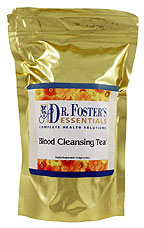
An Herbal Tea That is Both a Blood Cleanser and Lymph Cleanser
[Add to Cart]
[View Cart]

The Foster Method Diet
Why Dr. Foster is qualified to talk about nutritionExplanation of the diet
Skip to the diet

 Fortunately, I was not willing to give up, and found a holistic RN. This RN taught me the importance of nutrition, organic foods, juicing, probiotics, colon cleansing, herbal and emotional healing. The changes I made in my diet were very instrumental in my COMPLETE CURE from epilepsy, something that 100% of medical doctors would say is impossible.
I did not take any seizure medications and I did not have brain surgery, nor did I allow any medical treatments for epilepsy to be done to me. What I had learned and implemented was that powerful. After my cure, I left the medical profession, completely disillusioned with their diagnostic techniques and treatments. Instead, I embarked on a decades-long journey into natural healing, learning everything I could about nutrition, herbs, emotional and spiritual healing and sharing all of it along the way with my patients who have had amazing results over the last twentyyears.
Most of the people who came to me over the years were people who had also failed conventional medical treatment and were told by their doctors that nutrition made no difference in their health. In spite of their medical doctors' misinformation, we all proved the doctors wrong. Without a shadow of a doubt, the Standard American diet is too high in sugar, animal proteins, processed foods and too low in fiber. This processed food, predominantly animal-based diet results in an overly acidic body chemistry. This acidic situation aggravates every health issue including chronic pain.
The diet most of us grew up on inevitably leads to obesity, Type II Diabetes, high blood pressure, heart attacks, enlarged prostate, cancer and many other chronic and incurable diseases. The following article is a combination of my medical knowledge combined with my natural healing study and almost 20 years of clinical experience - the best of both worlds - science combined with nutrition.

The pH balance of the blood is very rarely disturbed because the body has so many backup systems that regulate the pH of the blood. The body places a high priority on balancing the blood pH since too much variation in the pH of the blood can be fatal. It will always balance the blood above all other things because, if not, it will mean death. Occasionally we see a dangerous acidic condition in diabetics called diabetic ketoacidosis, a life-threatening condition caused by too many acids in the bloodstream.
 Another overly acid condition of the blood is called metabolic acidosis that can occur in patients who suffer from
chronic pulmonary obstructive disease as they are not able to exhale carbon dioxide and carbon dioxide breaks down into
an acid (carbonic acid). Too many acids overload the kidneys' ability to eliminate them.
Another overly acid condition of the blood is called metabolic acidosis that can occur in patients who suffer from
chronic pulmonary obstructive disease as they are not able to exhale carbon dioxide and carbon dioxide breaks down into
an acid (carbonic acid). Too many acids overload the kidneys' ability to eliminate them.
Yet, much more common than these rare pH conditions of the blood is a situation caused by excess acids stored in the body tissues (such as muscles, joints, bones, connective tissue, kidneys, liver, brain and other organs) while the blood remains pH balanced. This overly acid situation happens to most Americans due to the standard American lifestyle. Acids accumulate in vital organs and attract calcium deposits. These calcium deposits show up as arthritis, bone spurs, gallstones, kidney stones and calcification of tumors (which are always very acidic areas).
Calcium is attracted to very acidic areas because it is so alkaline. The body uses calcium as a buffer to neutralize excess acid. This is simple acid/base chemistry principles taught to all medical doctors all over the world. All chemists are familiar with these concepts as well. The body will pull calcium out of the bones, if needed, to neutralize excess acidity in the blood and tissues. For this reason, too much acidity in the body over a long enough period of time will result in osteoporosis.
How does the body accumulate these excess acids? Some of the most common causes are the following:
1. Shallow breathing
2. Lack of exercise
3. Not enough sleep/ burning the candle at both ends
4. Stimulants - caffeine, cocaine, speed, diet pills, pills taken to stay awake
5. Not drinking enough water
6. Overactive thyroid (hyperthyroidism)
7. Consumption of excess protein in the diet.
Proteins break down to amino acids which must be eliminated by the body in order to keep the blood at the proper pH balance. The only two ways to eliminate acid from the body are through the breath and through the kidneys. When the kidneys fail, they may only be able to eliminate a tiny amount of acid or maybe none at all. The body then tries to eliminate the acid through the breath. The breath rate increases dramatically. A normal breath rate is about 10 to 14 breaths per minute.
A high breath rate is one of the ways we can tell if a person is in ill health. The more times a minute a person breathes, the sicker they usually are. According to Ayurvedic medicine, a very high breath rate can be a sign that a person will die soon. In kidney failure, breathing more often is usually not near enough of a compensation to eliminate all of the acids, and if the person in kidney failure does not get kidney dialysis to eliminate the acids and waste products in their blood, they can die in as little as a few days.
Excess protein can turn the body chemistry to an overly acidic state. Animal proteins are sulfurated amino acids that are particularly acidic that can overwhelm the kidneys and cause an accumulation of acids in the body tissues. Meat can also be very high in uric acid, a normal byproduct of metabolism, stored in the muscle tissue of an animal. Excess consumption of foods containing uric acid can cause gout. The average American diet contains about 3 times more protein than what is recommended for a healthy adult. Athletes commonly overload themselves with excess protein by consuming large amounts of protein powders that are not needed and cause a strain on the kidneys to eliminate them.
Everyone needs some protein and we cannot have a perfectly alkaline diet. But the body easily eliminates the acids created by normal metabolism as well as from a diet that contains a healthy amount of protein. The problem is excess protein. In the early 1900's, meat was consumed more as a luxury item. As the years have gone by, the American consumption of meat has reached an astoundingly high frequency - instead of once or twice a week, Americans are consuming meat at every meal. Many research studies who that the consumption of excess protein causes premature aging of the kidneys and a deterioration of kidney function.
Because the kidneys must eliminate the acids that result from eating protein, medical doctors (nephrologists) always recommend to patients in kidney failure to follow a low protein diet. If a person in kidney failure tried to consume a high protein diet, it could be life-threatening because their kidneys could not eliminate enough of the acids generated in the body by the high amount of protein. This is another case of metabolic acidosis. Kidney dialysis removes not only metabolic wastes, but acids from the body as well. I don't think anyone wants to go through regular kidney dialysis in order to remove acids from their body.
A diet that is pH balanced contains proteins in the proper proportion. No one, not even people who are a Type O Blood, needs meat 3 times a day. This is far too much protein to consume in a day and far exceeds any recommended daily allowance for protein. I do not believe in Blood Type Diets because for every single one of my patients who followed a Blood Type Diet, they stayed sick and did not get well. Recently I discovered that the author of this book wrote another book and reversed many of his earlier beliefs.
The following are recommendations for the Foster Method diet. This pH balanced healthy diet is high in plant foods and low in animal foods. Plant foods are high in antioxidants (meat contains no antioxidants whatsoever), fiber (meat contains no fiber whatsoever), phytonutrients that fight cancer (again, meat contains none of these). The healthiest, most alkaline diet contains foods as close to their original state as possible. This means that they have not been processed, refined, or canned. They are organically grown without the use of pesticides, insecticides, fungicides, hormones, or antibiotics.
None of us is perfect, and sometimes availability is a problem. For example, when I request whole grain bread at restaurants, I am told they don't have it because no one ever asks for it. It is time for everyone to start asking for it! We can still do our best to eat healthy most of the time. It is what we do (eat, drink, sleep, breathe, feel, and believe) 6 days out of the week that largely determines our health. If we have healthy food and lifestyle habits most of the time, we can be reasonably healthy.
- Eat Whole, Unprocessed Foods
- Fruits, vegetables, whole grains, nuts, seeds, nut butters, nut milks, seed butters, and seed milks.
- Nut, seed and grain milks such as rice milk, oat milk, almond milk, pecan milk, and cashew milk can often take the place of pasteurized, homogenized cow's milk, a highly acidic and mucus-forming food.
- Some fresh raw foods should be included in the daily diet since they place the least amount of strain on the digestive organs, are the most alkaline, and contain the most vitamins and minerals.
- The most highly alkalizing foods are leafy green vegetables, algae (spirulina,chlorella, etc.), cereal grasses (wheat grass, barley grass, alfalfa) and lemons. Although lemons are acidic when they are tested outside of the body, when they are consumed, they have an alkalizing effect on the body due to their stimulation of bile which is a very alkaline substance. Most herbs have an alkalizing effect on the body (except for stimulant and caffeine-containing herbs). The Essential Nutrients Formula is a highly alkalizing formula that often results in a beneficial shift to a more alkaline body chemistry.
- The Essential oil of Lemon is also highly alkalizing. Unlike lemon juice, which is made by pressing the pulp, Lemon Essential oil is pressed from the peel, giving it a different phytonutrient profile and a stronger alkalizing effect than lemon juice.
- Get a Juicer and Start Juicing
- A juicer is an excellent tool that can greatly improve health, and can sometimes work faster than herbs when used as part of a juice fast. Fruit juices and high carbohydrate veggies such as carrot and beets are high in sugars so most people need to dilute them half and half with water to reduce the natural sugar content, and prevent a rise in blood sugar.
- Sweeteners:
- Sweeteners should be as close to nature as possible. Including some fresh fruit in the diet during the day can sometimes stop cravings for sweets later on in the day. The best sweetener is whole fruit. Next to this, the natural sweeteners I like the most are brown rice syrup, coconut nectar and coconut sugar. Second only to whole fruit, they seem to have less of an effect on the blood sugar.
Of course, stevia is the best option for many people as it does not raise the blood sugar at all, but some people complain of a slightly bitter taste. For me, the taste of stevia depends on the quality. If you're not enjoying the taste of stevia, perhaps try another brand. Monk fruit is also another natural sweetener that does not raise the blood sugar.
Honey, maple syrup - these are natural, especially if the honey is raw, unheated and unfiltered and if the maple syrup is Grade B organic and formaldehyde-free. We are looking at alkaline substances here, but they can still have an effect on blood sugar and some people with blood sugar issues, cancer, Candida overgrowth, or active infections may need to limit them.
Soft drinks/soda pops are highly acidic and are full of simple carbohydrates that contribute to obesity, diabetes, osteoporosis and metabolic syndrome. I do not believe there is a safe level of soda pop consumption. They should be eliminated from the diet completely or dramatically reduced.
Try sweetening your foods less and less. Learn how to be happy with less "sweet" in your foods. You might be amazed to find out that many recipes that call for a certain amount of sugar could actually be reduced or even cut in half without much affect on the taste. It's good to experiment.
Artificial sweeteners: we have enough research now to show that these are harmful, can cause cancer and can damage the nervous system. It's not a good idea. Do not consume artificial sweeteners. I do not believe there is any safe level of consumption. Huge offender: aspartame. I've known several people with memory problems who stopped their diet soda intake and their memory came back. Quit now before it's too late and the damage has been done! We need to stop the thinking that there is a miracle synthetic chemical out there that's going to allow us to continue to eat junk food without repercussions.
Learn to be happy with good quality, organic, unprocessed foods. Taste buds are highly adaptable and can easily be changed. Your taste buds are not that different from anyone else's. After a while of eating pure, unprocessed foods, it becomes natural - sugar and soda pop will seem too sweet, unpleasant and "too chemical." - Drink Water
- Water helps flush out excess acids through the kidneys as well as other waste products created by metabolism. Water is best drunk between meals or about 15 to 30 minutes before a meal. Drinking large amounts of water with a meal typically dilutes the stomach acid too much and can create indigestion. However, drinking water 15 to 30 minutes before a meal begins helps supply the body with enough water to manufacture the enzymes and acids that are needed for optimal digestion. Chewing your food well and not relying so much on beverages to wash down your half-chewed food is going to do wonders for your digestion.
- The best amount of water to drink: half of the body weight per day in ounces. For example, a person who weighs 100 pounds should drink around 50 ounces of water per day, and a person who weighs 150 pounds should drink around 75 ounces of water per day. An infant's water needs are typically met through breastfeeding (the breastfeeding mother should stay well hydrated in order to keep the water content of her breast milk at a healthy level for the infant.
- Drinking caffeinated beverages causes a loss of water from the body; therefore, if one consumes coffee, black tea, caffeinated green tea, or soft drinks containing caffeine, they should drink extra water to make up for the dehydrating effect of caffeine. Caffeine also turns up the metabolism, which creates slightly more acid in the body, and this increase in metabolism can also cause anxiety and heart palpitations. Caffeine is a vasoconstrictor - it tightens up blood vessels and consequently raises blood pressure. If you have high blood pressure, limit your intake of caffeinated products and see how it affects your blood pressure.
- Minimize or Eliminate Processed Foods:
- Foods that are highly processed are more acidic. They include white sugar, enriched flour, white rice, pasteurized and homogenized dairy products, luncheon meat, artificial sweeteners, foods that contain artificial colorings and flavorings, monosodium glutamate (MSG), canned foods, and processed foods containing ingredients that can't be pronounced. If a health food store is available, it is best to shop there than to shop at a regular grocery store.
- Minimize or Eliminate Meat:
- Meat includes both red meat, white meat and fish:
- Beef (ground beef, hamburger meat, steak, steak tartare, sirloin, filet mignon, beef broth, beef boullion, veal, corned beef)
- Poultry (turkey, chicken, chicken broth, chicken boullion, duck, Cornish hen, wild game, etc.)
- Fish and Seafood (lobster, shrimp, scallops, molluscs, shark, swordfish, trout, salmon, halibut, sushi, eel, squid, oysters, etc.)
- Pork (ham, bacon, pork rinds, pork chops, ham hocks, pork sausage)
- Organ meats (pates, kidneys, liver, sweetbreads, tripe, giblets, giblet gravy, etc.),
- Processed meat (hot dogs, frankfurters, salami, bologna, pepperoni, sausage, bratwurst, canned spreadable meat, etc.)
- Other meats: lamb, lamb chops, buffalo, venison, snake, frog, and anything else that had muscles and/or a face
- If meat is to be eaten, it should only be eaten once or twice a week.
- America's annual meat consumption has risen dramatically, as well as their rates of heart disease, stroke and diabetes. According to the USDA Agriculture Fact Book (2001-2002), America's total meat consumption (including red meat, poultry and fish) in the year 2000, reached 195 pounds per person - a whopping 57 pounds above the average annual consumption in the 1950's. In all, Americans consumed about 7 pounds more red meat, 46 pounds more poultry and 4 pounds more fish and shellfish than in the 1950s. This is far too much protein!
- Amy Jamieson-Petonic, a spokeswoman for the American Dietetic Association and an employee wellness manager for the Cleveland Clinic, says many people don't realize that the body can't store protein. If you consume more than you need, you'll just eliminate it through your urine and put an extra strain on your kidneys to metabolize it.
- "Would we all be better off if we dramatically reduced meat to the point of one meal a week? I would say yes," says Dr. Bob Lawrence, director of the Center for a Livable Future at the Johns Hopkins Bloomberg School of Public Health.
- The regular consumption of meats of all kinds (even organic or free-range meats) have been proven time and time again in research study after research study to cause many health problems including acne, increased risk of cancer (especially colon, prostate and breast cancer), constipation, diabetes, diverticulosis, diverticulitis, fibroid tumors of the uterus, food poisoning, intestinal flu, obesity, gallstones, gouty arthritis, heart disease, hemorrhoids, high blood pressure, high cholesterol, hormonal imbalances, increased hostility, acute indigestion, irritability, kidney stones, worsening of kidney diseases, premature aging of the kidneys, worsening of liver diseases, mercury and arsenic poisoning (fish and seafood), osteoporosis, enlarged prostate (BPH), premature puberty, parasite infections, stroke, and many types of colon and rectal diseases. All meats, even if organic and free range, are still very high in protein, and because of this, they are still acidic in the body, although less dangerous to consume than conventional meats sold at regular grocery stores.
- Minimize or Eliminate Dairy Products:
- Dairy products (especially homogenized, pasteurized cow's milk) are not as acidic as meat, but they are acidic in the body and can aggravate colitis, asthma, childhood ear infections, sinus infections, COPD, emphysema, cystic fibrosis, lung diseases, psoriasis, acne, eczema, and many skin and colon diseases. The most alkaline milk is raw milk, and especially raw goat's milk from a local farm that pasture-raised the animals ethically and uses no antibiotics or hormones.
- Milk allergy is a very common food allergy and many people are lactose intolerant- including people who are Blood Type B - supposedly the Blood type that can digest dairy products. I've never found a person who had a Type B blood type that did well on dairy products.
- The consumption of commercial processed dairy products has been found in research studies to be the most common cause of constipation in children.
- If symptoms are caused by dairy products, or if suffering from any lung or intestinal ailment, I suggest a trial of eliminating them for a while. See if it makes a difference for you. Otherwise, for most healthy people, reducing intake of dairy products should be sufficient.
- High calcium foods can be substituted such as beans (all beans are high in calcium - soy beans are not the only beans that contain calcium!), seaweeds, kale, broccoli, almonds, and carrot juice, or the herbal Calcium Formula. If there is a soy allergy, one can easily substitute other types of beans to meet calcium and protein needs.
- The least acidic type of dairy products are raw milk from goats and sheep. There is a slight risk of serious bacteria infection that can be caused by the consumption of raw milk, so caution is advised with raw dairy products, especially in people who have a weak, underdeveloped or compromised immune system - the elderly, infants, HIV/AIDS patients, bone marrow transplant recipients, patients undergoing radiation therapy or cancer chemotherapy, or patients taking immunosuppressive medications.
- Testing Urine pH
- The urine pH is a good general indicator of the total body pH. According to Carey Reams, a biochemist who tested thousands upon thousands of people in various stages of life in disease and in health, the urine pH of a healthy person is 6.4. The urine should be slightly acid because the body is always eliminating a small amount of acid that is generated by normal metabolism. However, when a person undergoes an herbal detoxification program, the urine pH can vary widely.
- The urine pH can turn too alkaline when the kidneys are not doing their job of eliminating acids and can be a sign of kidney disease. However, the urine pH can also turn too alkaline when the liver is being cleansed and the person doing the liver cleanse has no kidney problems at all.
- The liver produces bile containing highly alkaline digestive enzymes. When the liver is being cleansed, it can release large amounts of old accumulated toxic bile. This can temporarily turn the urine pH too alkaline.
- On the other hand, the body can release large amounts of stored up acid wastes, and these will end up in the urine, turning it too acid. This situation can make it look like a person is not doing well on an alkaline diet, when in fact, they are doing very well and their body is healing.
- So, during a healing and detoxification program, one should not be discouraged by an overly high or low urine pH. We look for broad general trends instead. Charting the first morning urine every day over a month's time and even over several months gives us more of a trend that is more accurate than a single high or low reading.




Healthy Lifestyle Makes a Difference
Getting healthy does not have to be complicated.
What I have found in my clinical practice is that healthy lifestyle habits
go a long way. Most of us have not been taught these healthy
lifestyle habits. We have been brought up with processed,
denatured foods and many synthetic chemicals, and all of the experts
tell us that this is "normal." What's even more
confusing is when we hear medical doctors telling us that diet doesn't
matter. However, my clinical experience has shown me that
it DOES matter. Adequate rest, stress reduction and regular
exercise can be major factors in determining whether or not someone
gets well or gets worse. Many chronic insomniacs and those
suffering from clinical depression have overcome their problem merely
by taking up a regular exercise program.
What else you can do besides following a healthy diet to get well and stay healthy: The Foster Method
See the Intro and first few chapters of Dr. Foster's book Stop the Medicine!
Stay tuned for more upcoming books on Healing Foods and juicing by Cynthia Foster, M.D.
|
Learn More: |
About the author:
Dr. Cynthia Foster, M.D.
A Conventionally Trained Medical Doctor Who Left Medicine Almost 20 Years Ago to Practice 100% Holistically
After receiving a required Hepatitis B vaccine for entry into medical school, Dr. Cynthia Foster became severely ill with grand mal epileptic seizures. The seizures occurred twice daily for almost four years – almost the entire time she was in training to become a conventional medical doctor at the University of Texas Health Science Center. Putting her life into the hands of a very experienced holistic nurse who was using holistic healing methods with unprecedented and extraordinary results, she refused all medications or other medical interventions for the seizures.
Using only natural methods as her treatment, the seizures went into complete remission, and she has been seizure-free for over 20 years. Her first book Stop the Medicine tells the incredible story of her miraculous recovery as well as giving a behind-the-scenes look at the Modern Medical Establishment. In her search for healing, she has traveled the world learning and incorporating natural methods into her holistic practice, including herbal detox, natural supplements, aromatherapy, hydrotherapy, energy healing, mind-body medicine, healing visualizations, juice fasting and therapeutic foods.
After receiving her MD degree, and refusing to practice medicine because of the miraculous healings she had seen in others and experienced for herself, she began her practice using only natural methods to heal her patients, specializing in teaching people how to heal themselves with simple remedies and techniques, and has been able to repeat the miraculous healing results with her patients that she herself had personally experienced.
Over the past 20 plus years, she has served many roles including not only healing practitioner, but also herbal product trainer and spokesperson for herbal product companies, and also founded her own pharmaceutical strength herbal product line called “Dr. Foster’s Essentials” to address the health problems she was seeing in her practice. She noticed over a period of two decades of seeing patients, that they usually brought her grocery bags full of so-called “natural” supplements that simply did not work. She founded Dr. Foster’s Essentials, insisting on including herbal extracts up to ten times stronger than what is traditionally available in grocery stores, drug stores health food stores, and even online, as she felt these “mass-marketed” remedies were too weak and watered down to heal anything as serious as what she had experienced with the epilepsy.
A highly sought after speaker and university instructor, she has lectured worldwide on a wide range of topics from the use of herbs to emotional healing to conventional medicine classes for acupuncture students. She has been interviewed numerous times on radio programs and mentioned in the press as well as featured in magazines, newspapers, and on television. Current projects include a second book describing how to use herbs and natural healing techniques to overcome life-threatening, chronic and incurable health issues.
"Success seems to be largely a matter of hanging on
after others have let go"
- William Feather
|
|
Join the Conversation:


Health Practitioners |
Contact Us |
Track My Order |
Return Policy |
Privacy Policy |
Terms of Use |
Shipping Info |
Sign In |
Product Quality
Copyright © 2018 DrFostersEssentials.com. All rights reserved
Los Angeles Web Design